Guide
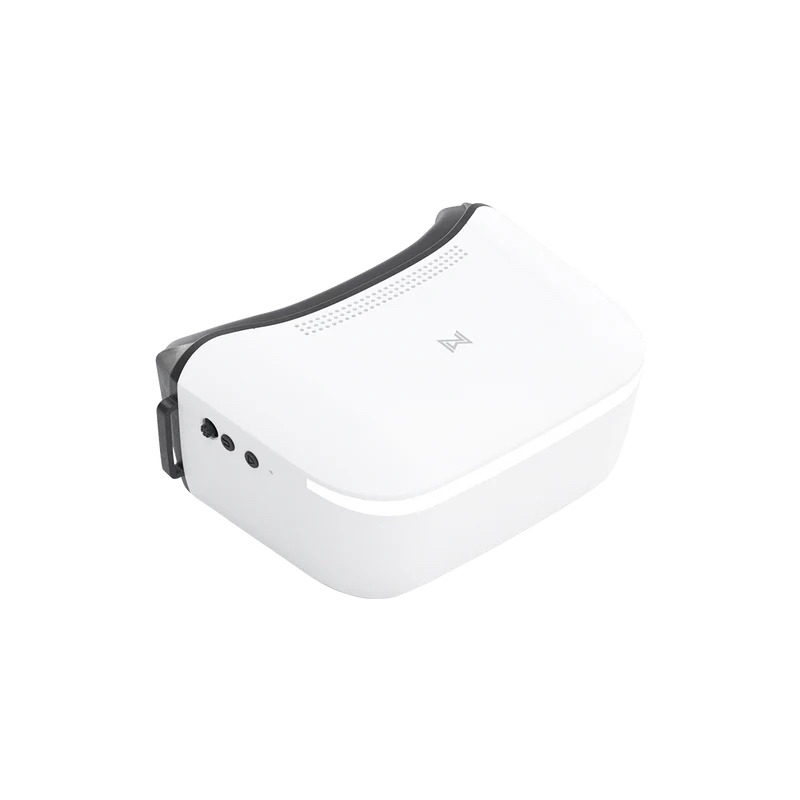
How to Choose FPV Goggles?
by SkyVolt FPV Engineering Team · About the authors
Picking FPV goggles is critical for your drone flight experience. This buyer’s guide explains analog vs digital, FOV, IPD, comfort and key features to help you select the right pair.
How to Choose FPV Goggles
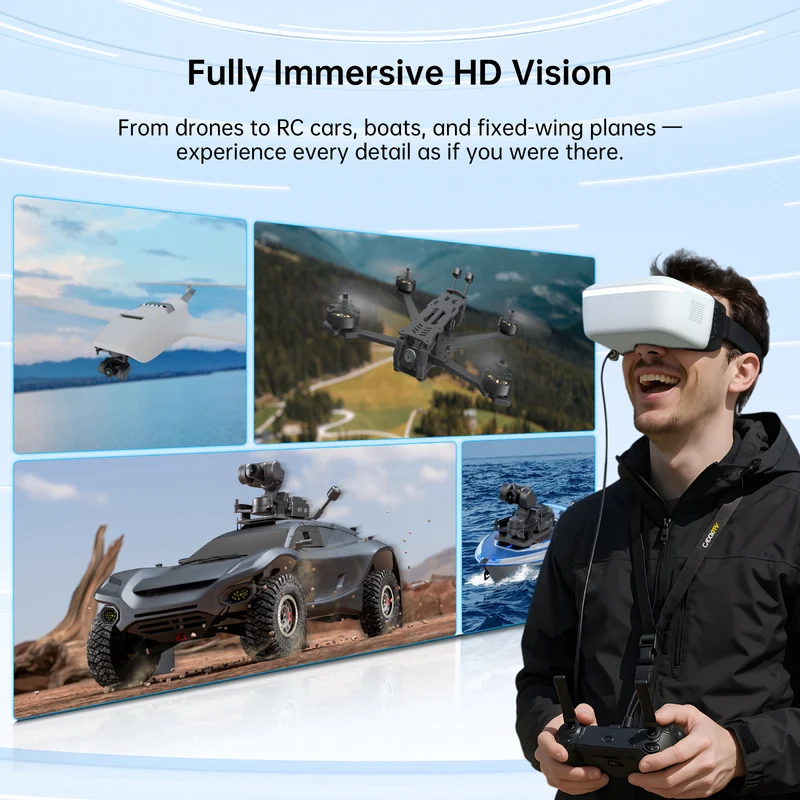
FPV goggles deliver the immersive first-person view that makes drone racing, freestyle and long-range flight exciting. Choosing the wrong headset leads to eye strain, blurry video or compatibility issues. This guide covers all core factors to help you pick FPV goggles matching your drone, flying style and budget.
Analog vs Digital FPV Goggles
Analog 5.8GHz receivers offer near-zero latency, ideal for racing and tight freestyle. They work with classic analog VTX units and have a lower entry price. The downside is lower resolution; when the signal weakens, static snow appears on screen. Analog is widely preferred by long-range analog pilots and budget builders.
Digital Goggles (DJI FPV, Walksnail, HDZero)
Digital systems produce crisp HD video and clean OSD flight data. The image either stays sharp or cuts out cleanly without static. The tradeoff is slightly higher latency and ecosystem lock-in: digital goggles only pair with their matching brand VTX. Digital goggles are perfect for cinematic freestyle pilots who prioritize clear footage.
Rule: A digital-only goggle cannot receive analog signals, and vice versa. Confirm compatibility before buying.

Field of View (FOV)
FOV measures how wide your in-goggle view is, directly impacting immersion.
- Under 42°: Less immersive, great for new pilots prone to motion sickness.
- 42°–50°: Balanced and the most popular choice for freestyle and long-range flight.
- 50°+: Maximum immersion for racing, but may trigger motion discomfort for beginners.
Prioritize distortion-free clarity over the largest FOV number.
IPD & Diopter Adjustment
IPD (Interpupillary Distance) adjusts screen spacing to fit the distance between your eyes. Incorrect IPD causes blurry vision, double images and eye fatigue. Most modern goggles support adjustable IPD from 58mm to 72mm.
Diopter adjustment corrects near or far-sightedness. With built-in diopter wheels, you can fly without prescription glasses. If you wear thick glasses, choose goggles with a large inner cavity to fit glasses underneath.
Comfort, Weight & Practical Features
Heavy goggles cause neck fatigue during long flights. Look for lightweight frames, soft replaceable foam padding and well-designed head straps. Good airflow prevents lens fogging.
Other useful features:
- DVR: Records flight footage directly inside goggles for crash review and sharing clips.
- Dual diversity antennas: Picks the stronger signal automatically, reducing video dropouts, highly recommended for long-range flights.
- Display resolution: 720p for entry models; 1080p for premium sharp viewing.
Quick Comparison Table
| Feature | Analog FPV Goggles | Digital FPV Goggles |
|---|---|---|
| Latency | Ultra-low | Slightly higher |
| Image | Static when signal drops | Crisp HD |
| Compatibility | Works with analog 5.8GHz VTX | Locked to matching digital ecosystem |
| Price | Lower entry cost | Higher |
Final Checklist Before Purchase
- Match goggle receiver type with your drone VTX
- Check IPD and diopter adjustment if you need vision correction
- Test weight and padding comfort for long flights
- Select FOV based on your flying style
- Decide if you need DVR or diversity antennas
FAQ
Q1: Will FPV goggles work with any drone?
A: No. Goggles must match your drone’s VTX system. Analog receives 5.8GHz analog signals, while digital goggles only work with their matching digital VTX ecosystem.
Q2: What FOV should I choose?
A: <42° suits motion-sickness sensitive pilots. 42°–50° is balanced for freestyle/long-range. 50°+ offers racing immersion but may cause motion sickness for beginners.
Q3: Can I wear prescription glasses inside FPV goggles?
A: Some goggles fit glasses. Or choose goggles with diopter adjustment to fly without glasses.
Q4: What is IPD adjustment?
A: IPD aligns screen spacing with your eye distance. Wrong IPD causes blurry vision and eye strain. Most modern goggles support adjustable IPD.
Q5: What is DVR on FPV goggles?
A: DVR records your FPV flight footage directly in the headset to review flights and crashes.
Skyvolt have both analog and digital FPV goggles . Contact us our engineering team will give the reasonable suggestions.