How to Maximize FPV Video Range: Power, Antennas & Dual-System Advantages
by SkyVolt FPV Engineering Team · About the authors
- IN THIS GUIDE
- Quick Answer
- The Details
- Comparison at a Glance
- For Industrial Missions
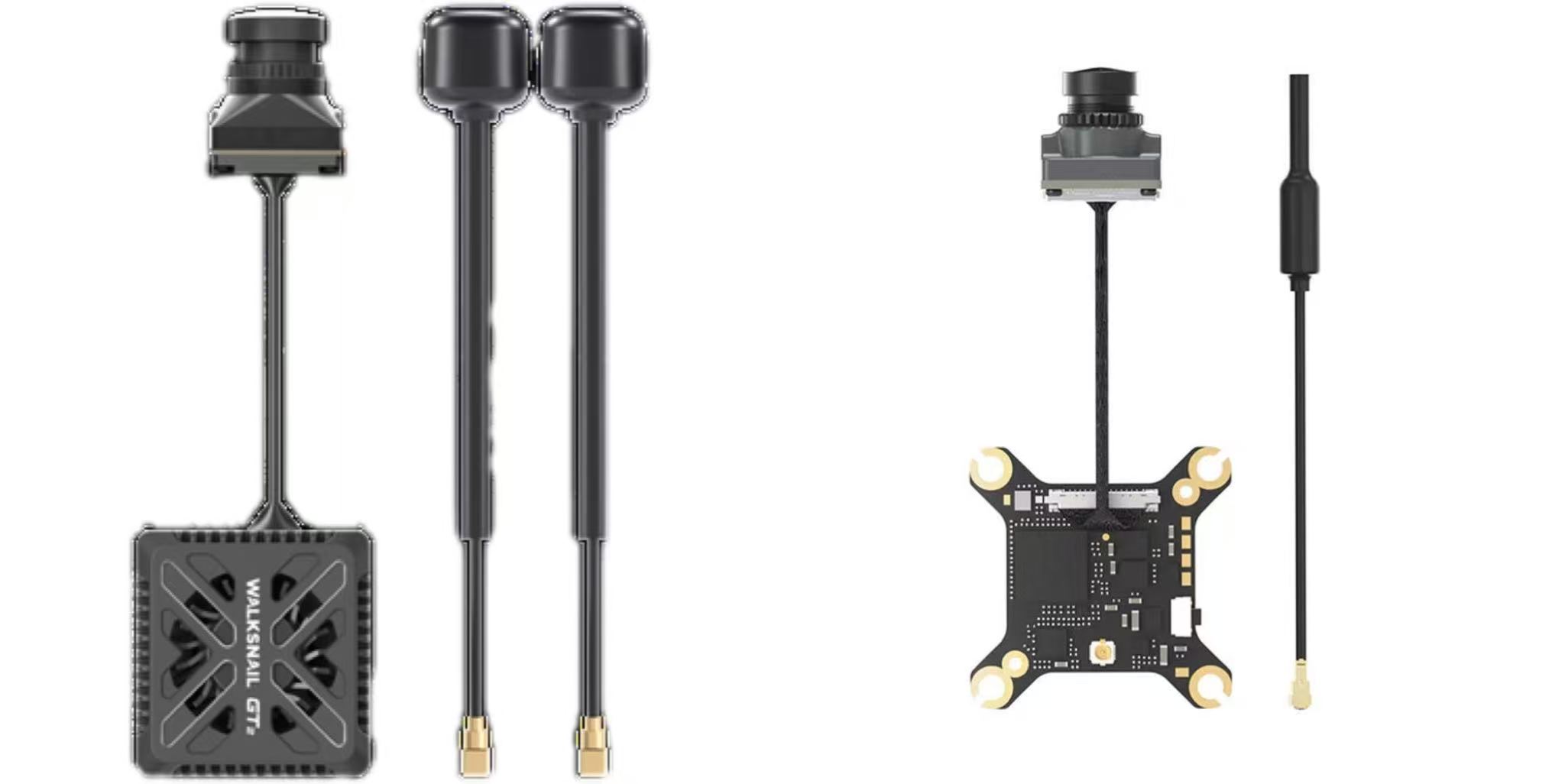
A practical guide to FPV VTX setups. Learn how power, antennas, and the choice between single and dual-antenna systems impact signal stability, range, and flight performance.
IN THIS GUIDE
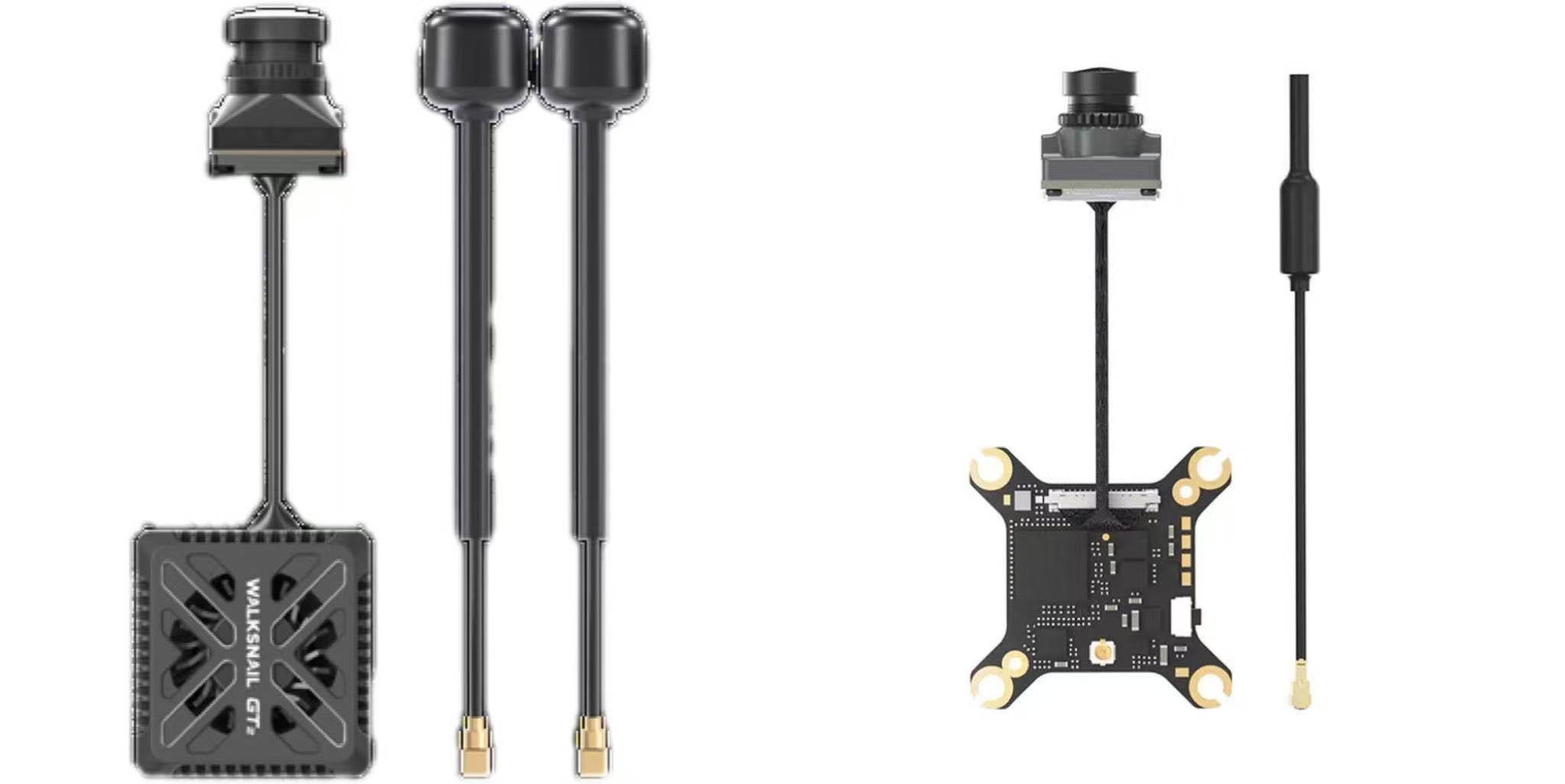
How VTX wattage and antenna choice interact — and how to choose between single and dual-antenna setups.
Quick Answer
Increase power (mW) to punch through obstacles, but always manage heat. For standard freestyle and budget builds, a single-antenna VTX is lightweight and effective. For long-range flights, industrial inspections, and environments where signal loss is not an option, a dual-antenna VTX provides unmatched stability and eliminates blind spots.
The Details
1. VTX Power (mW) & Heat Management: Higher mW (e.g., 1W+) is not always better. It increases heat generation and battery consumption. For freestyle in forests, 500mW often penetrates better than 1W due to less signal reflection. For long-range, 1W-1.6W is preferred, but requires proper airflow over the VTX.
2. Single vs. Dual Antenna Configurations:
- Single-Antenna VTX: The standard choice for micro drones, racing, and general freestyle. It keeps the build lightweight and cost-effective. However, the pilot must choose between an omnidirectional antenna (good for close range, any orientation) OR a directional antenna (good for range, but must be pointed at the drone).
- Dual-Antenna VTX: The professional choice for long-range and industrial work. By running two antennas simultaneously (e.g., one Omni + one Directional), the system automatically switches to the strongest signal. This eliminates blind spots during sharp turns and ensures a reliable video downlink at extreme distances.
Comparison at a Glance
| Parameter | Single-Antenna VTX | Dual-Antenna VTX |
|---|---|---|
| Best for | Micro drones, racing, budget freestyle | Long-range, industrial inspection, cinematic |
| Weight & Cost | Lighter, more affordable | Slightly heavier, premium pricing |
| Signal Stability | Good, but can drop during sharp turns | Excellent, seamless switching between antennas |
| Antenna Setup | Choose either Omni OR Directional | Run BOTH Omni AND Directional simultaneously |
| Use Case Flexibility | Limited to one antenna profile | Maximized for any flight profile |
For Industrial Missions
Inspection drones operating in complex environments (BVLOS or urban) cannot afford video loss. For missions requiring absolute reliability, a dual-antenna system is the industry standard. By equipping a high-power VTX with both an omni and a directional antenna, ground stations maintain a reliable video downlink regardless of the drone's orientation.
For shorter-range or highly weight-sensitive missions, our single-antenna platforms remain a highly capable and cost-effective alternative. Using SmartAudio, pilots can switch power levels mid-flight (e.g., 25mW for arming, 1W for the mission) to further optimize any setup.
All SkyVolt long-range platforms can be configured with either single or dual-antenna VTX systems. Tell us your flight environment and payload requirements through the quote form, and we will recommend the optimal configuration for your specific mission.