Comparison
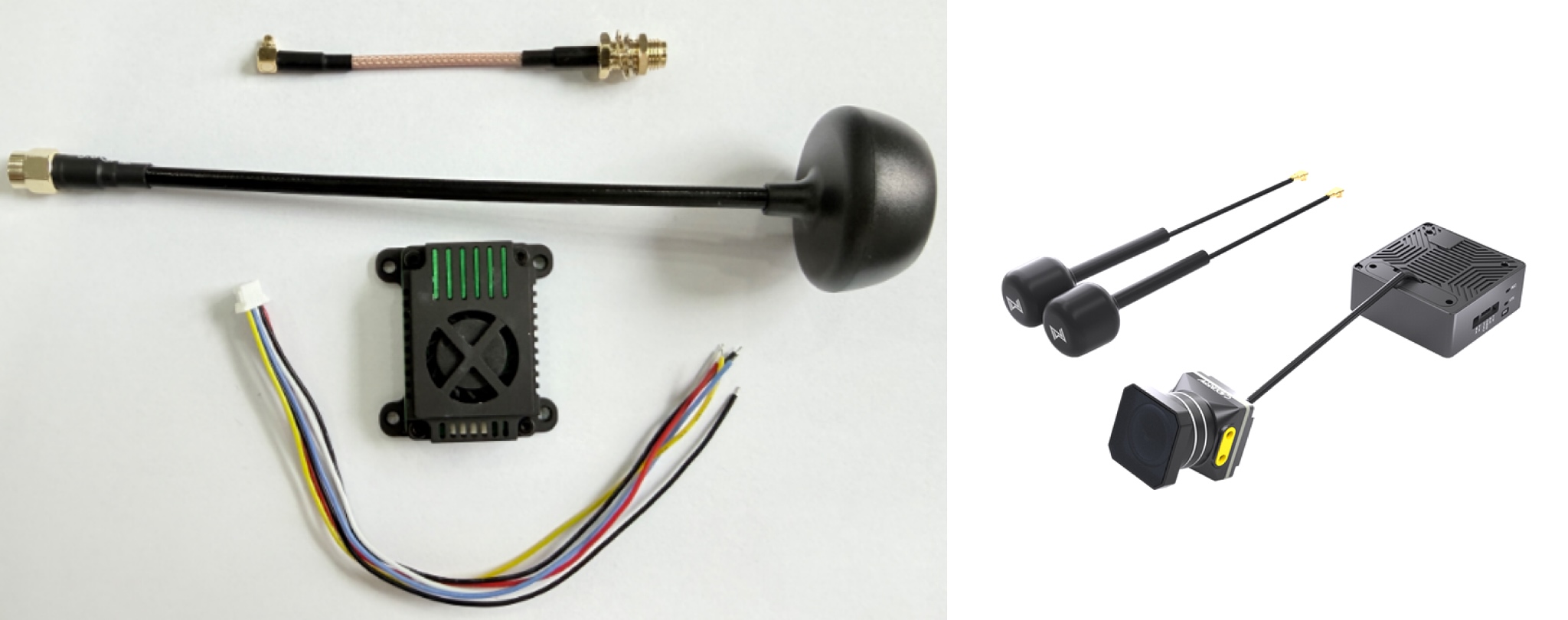
Digital HD VTX vs Analog VTX: Which Fits Your Application?
by SkyVolt FPV Engineering Team · About the authors
Quick Answer The Details For Industrial Missions
- Digital VTX: modern solution with high‑definition & stable signal but higher price, for great image quality and long‑range flight.
- Analog VTX: classic low‑latency & affordable option, for beginners and racing.
The Details
- Digital VTX:Works via binary encoding & compression (e.g. H.264) with proprietary protocol. It delivers high‑definition images (1080P/120fps, 4K) with strong anti‑interference and no snow noise.
Latency ranges from 28‑50ms (14ms for HDZero). It supports OSD, encryption and long‑range flight, but costs more with matched goggles required.
Ideal for aerial photography, long‑range flight and high‑quality recording.
- Analog VTX:Transmits continuous analog voltage signals (PAL/NTSC).
Max resolution is 720P with snow noise under poor signal.
Low latency of 5‑30ms, perfect for racing.
Weak anti‑interference, signal fades gradually.
Low‑cost with universal receivers. Only basic video output; OSD is generated by flight controller.
Suitable for beginners and low‑cost racing builds.
For Industrial Missions
In ideal interference‑free conditions, analog VTX works well when ultra‑responsive real‑time footage is not your priority. For clear visuals, go for Walksnail GT VTX with directional antennas.
For 1‑2 km flights with interference, digital VTX (DJI / Walksnail) performs much better.
All SkyVolt platforms can be ordered with either analog or digital VTX systems.