Guide
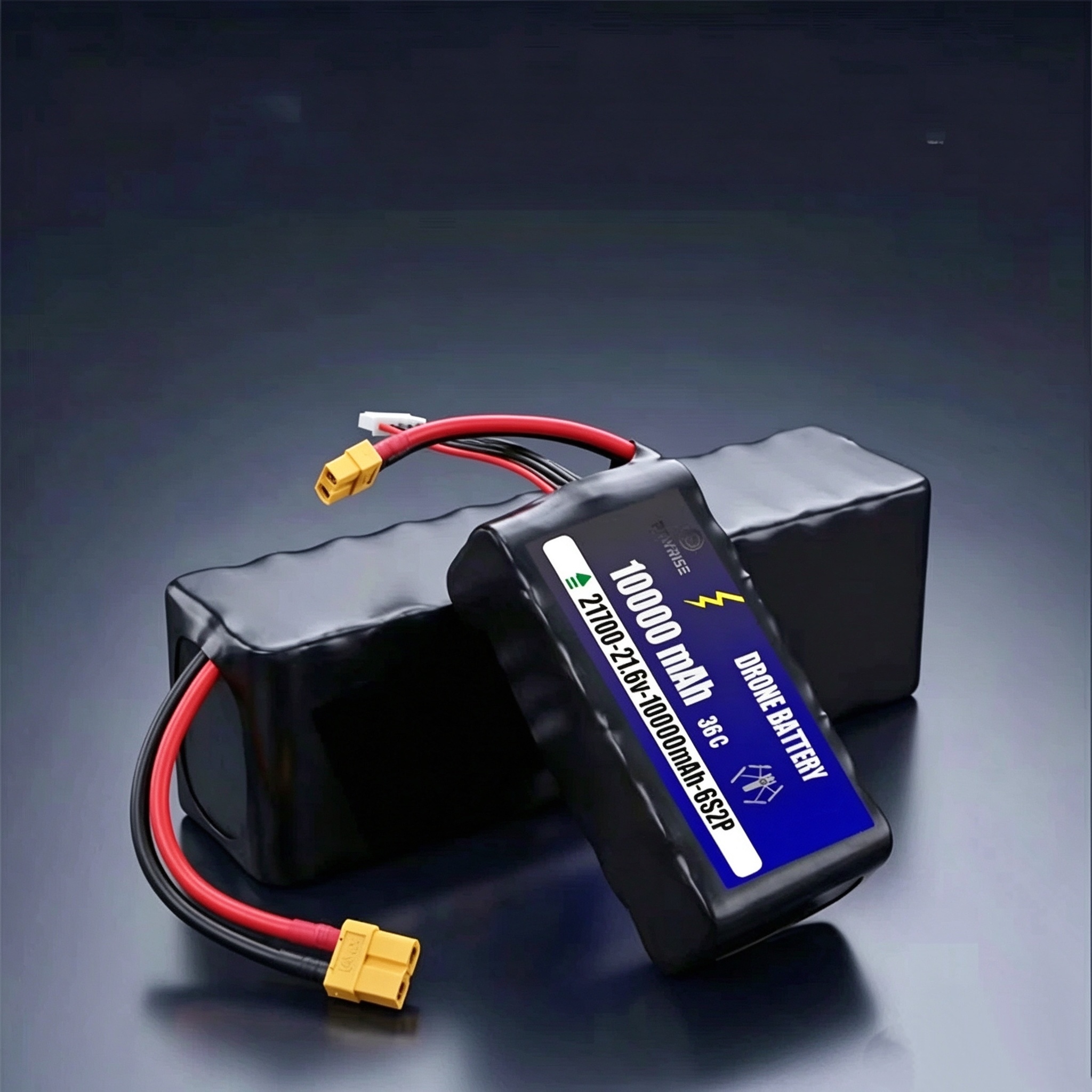
FPV Drone LiPo Battery Guide: Voltage Standards, Charging Rules, and Recovery Tips
by SkyVolt FPV Engineering Team · About the authors
In this guide
- Introduction
- 1. Remember the 4 Critical Voltage Values
- 2. Charging Rules: Do Not Overcharge
- 3. Flying Rules: Stay Above 3.6V
- 4. How to Rescue an Over-Discharged Battery
- 5. How to Handle a Dead Cell
Unlike smart consumer batteries, professional FPV LiPo batteries require strict maintenance. Improper use can lead to shortened lifespan, swelling (puffing), or dead cells. This guide covers essential voltage thresholds, charging best practices, long-term storage, and how to rescue over-discharged batteries.
Introduction
FPV drones rely on high-performance LiPo batteries, which require proper care to ensure safety and longevity. Whether you are a beginner or a pro, understanding the four critical voltage milestones and adhering to charging rules will save you money and prevent accidents.
1. Remember the 4 Critical Voltage Values
For a single LiPo cell, you must memorize these key voltage nodes:
- 4.2V: Fully charged state.
- 3.85V: Standard storage voltage (ideal for long-term storage).
- 3.6V: Low voltage threshold (approximately 0% capacity remaining).
- Below 3.6V: This is called "over-discharge," which causes irreversible damage to the battery.
2. Charging Rules: Do Not Overcharge
- Avoid excessive charging current: Charging at too high of a current accelerates battery aging. It can shorten the battery's lifespan and may even cause the battery to swell. Always adhere to the manufacturer's recommended charge rate (usually 1C).
- Never store fully charged: Do not leave your batteries fully charged overnight or for long periods. High chemical activity in a fully charged state leads to lithium-ion loss, reducing lifespan and increasing the risk of swelling.
3. Flying Rules: Stay Above 3.6V
- Monitor voltage during flight: Never fly until the battery is completely empty. Do not discharge below 3.6V per cell. Over-discharging during flight is the main cause of battery damage and can lead to severe puffing or total failure.
- Post-flight maintenance: After flying, if the battery voltage is higher than the storage voltage, discharge it back to approximately 3.85V for storage.
4. How to Rescue an Over-Discharged Battery
If a battery is over-discharged, charge it back as soon as possible. The longer you wait, the greater the damage.
- Minor over-discharge: Simply use your charger in the normal charging mode to bring it back to a safe voltage.
- Severe over-discharge (e.g., 1V to 2V): If your charger refuses to charge the battery, switch the charger to Power Supply Mode (or Manual Mode). Slowly bring the lowest cell up to around 2.5V, then switch back to the normal charging mode to balance and fully charge it.
5. How to Handle a Dead Cell
If a cell is completely dead and cannot be recovered, the battery is no longer safe for flight. Handling dead cells carries safety risks. Beginners should not attempt to disassemble the battery. Instead, give it to an experienced person to replace the cell, or downgrade the battery configuration (e.g., convert a 6S battery into a 5S battery).
Summary of Daily Maintenance:
Storage: Keep batteries at a standard storage voltage of 3.85V when not in use.
Flight: Fully charge before flight, and never drop below 3.6V per cell during flight.
Emergency: Rescue over-discharged batteries immediately using Power Supply Mode or Normal Charge Mode.
Discharge: After flight, discharge all batteries back to 3.85V for safe storage.
(Need high-quality, reliable LiPo batteries for your FPV builds? Contact our sales team for bulk pricing and professional support.)