Guide
How to Pick FPV Drone Goggles
by SkyVolt FPV Engineering Team · About the authors
Learn how to select suitable FPV drone goggles. Compare digital/analog video links, screen specs, FOV, wearing comfort and handy functions like DVR, HDMI and head tracking for your racing, freestyle or long-range flight.
How to Pick FPV Drone Goggles
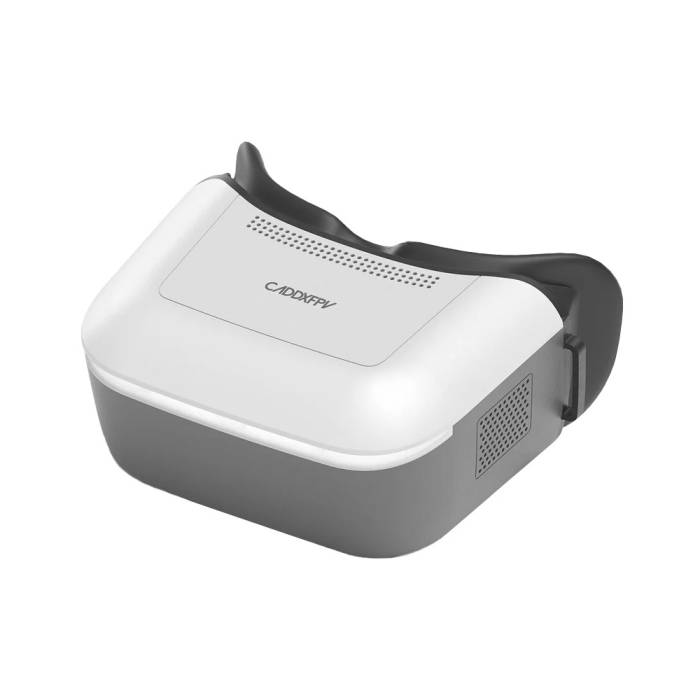
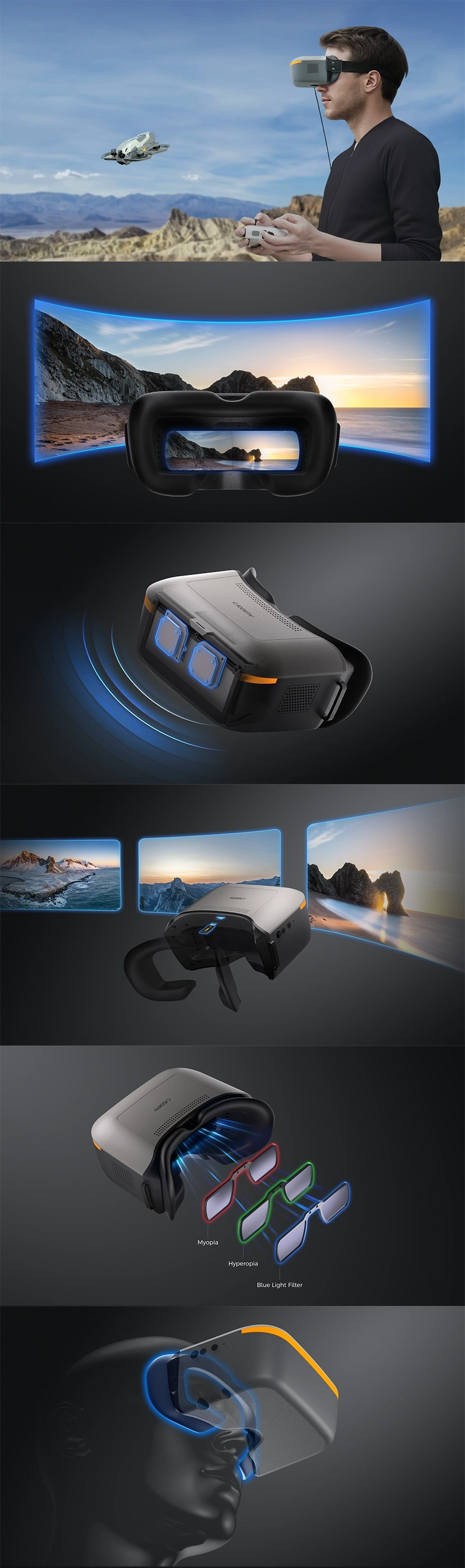
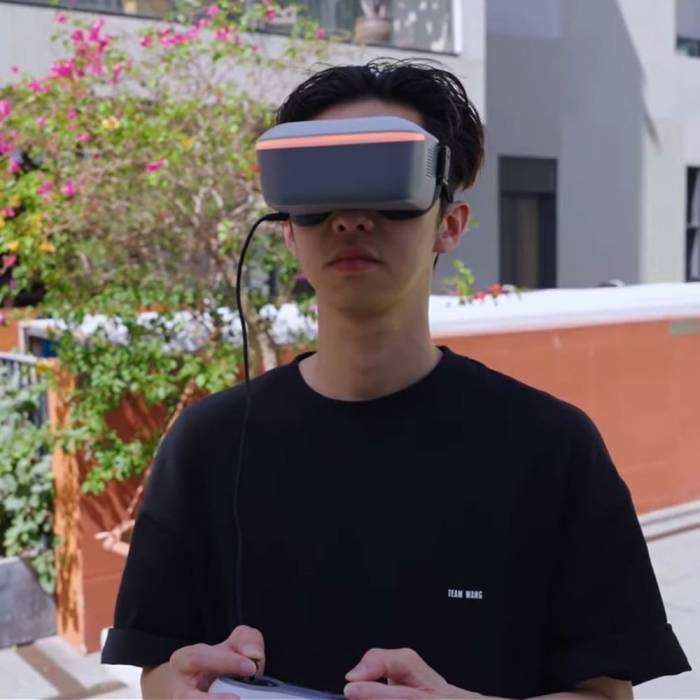
To enjoy immersive first-person view (FPV) drone flight, you need a proper pair of FPV goggles, which directly determine image quality, flight latency and wearing comfort.
Follow this guide to make your choice.
First, match the video transmission system, as different protocols are incompatible. Digital HD transmission (DJI O3/O4, Walksnail Avatar) delivers sharp, anti-interference footage, ideal for freestyle and long-distance cruising. Analog transmission features ultra-low latency and gradual signal loss with static snow, perfect for budget beginners and indoor racing drones. Always buy goggles matching your airborne VTX module.
Next, check core display parameters. OLED screens offer better contrast and faster response than LCD panels. 1080P resolution paired with 100Hz+ refresh rate avoids motion blur during high-speed flight. For field of view (FOV): 30°–40° suits precise racing, while 45°+ creates cinema-level immersion for landscape flights.
Wearing comfort matters for long flights. Binocular foldable goggles are lightweight with adjustable interpupillary distance (IPD). Box-style goggles have a bulkier shape but work seamlessly for users who wear prescription glasses without lens removal. Myopic pilots should pick models with built-in diopter adjustment or support for magnetic myopia lenses.
Prioritize practical extra features: built-in DVR records flight footage for crash location tracking and social media sharing. HDMI input/output enables multi-device compatibility and external screen casting. Head tracking lets the camera follow your head movement for ultimate immersion.
In short, choose goggles based on your transmission ecosystem, flight scenarios and eyewear situation. There is no universal best model — only the right fit for your flying style and budget.
We provide the latest model comparisons and package discounts. Contact us to start your FPV flight journey!